All products

Nurse Call System

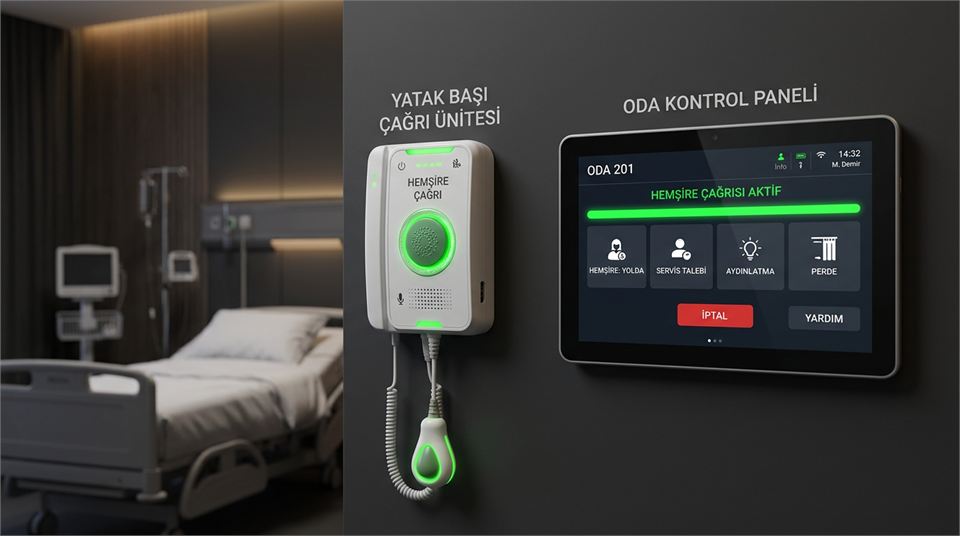
7" touchscreen room control panel, bedside and bathroom/WC call units

A modular nurse call platform that combines in-room call units, nurse desk displays, overdoor warning lights, DECT/RFID integration, and real-time reporting for faster response.

Real time --:--:--
Stopwatch 00:00.0
Operating room control panel Lights, medical gases and environment monitoring
Environment
Temperature
Humidity
Pressure
Nurse call room Bed call, door lamp and pager
Nurse Call System

Features

A faster in-room response flow

Bedside, handset, and bathroom/WC calls move through one coordinated backbone.

Instant corridor visibility

The overdoor RGB warning lamp reflects live room status for the care team at a glance.

Authenticated intervention records

The 7-inch room control panel tracks staff entry and call completion with card validation.

Continuous alerts for mobile teams

DECT, RFID, HIS, and hospital integrations keep every critical event in motion.

Priority handling for busy wards

The nurse desk display manages multiple simultaneous calls with clear urgency order.

Service quality you can measure

Response time, intervention duration, and event history turn into central reports.

A modular nurse call platform that combines in-room call units, nurse desk displays, overdoor warning lights, DECT/RFID integration, and real-time reporting for faster response.

The CALLVISION Nurse Call System builds a reliable, fast, and traceable communication backbone between patient rooms, bathroom/WC areas, and nurse stations. Requests initiated from the bedside call unit, handset, or bathroom/WC pull cord are first received by the Room Control Panel, then routed to the nurse desk display and, when needed, to DECT or mobile endpoints.

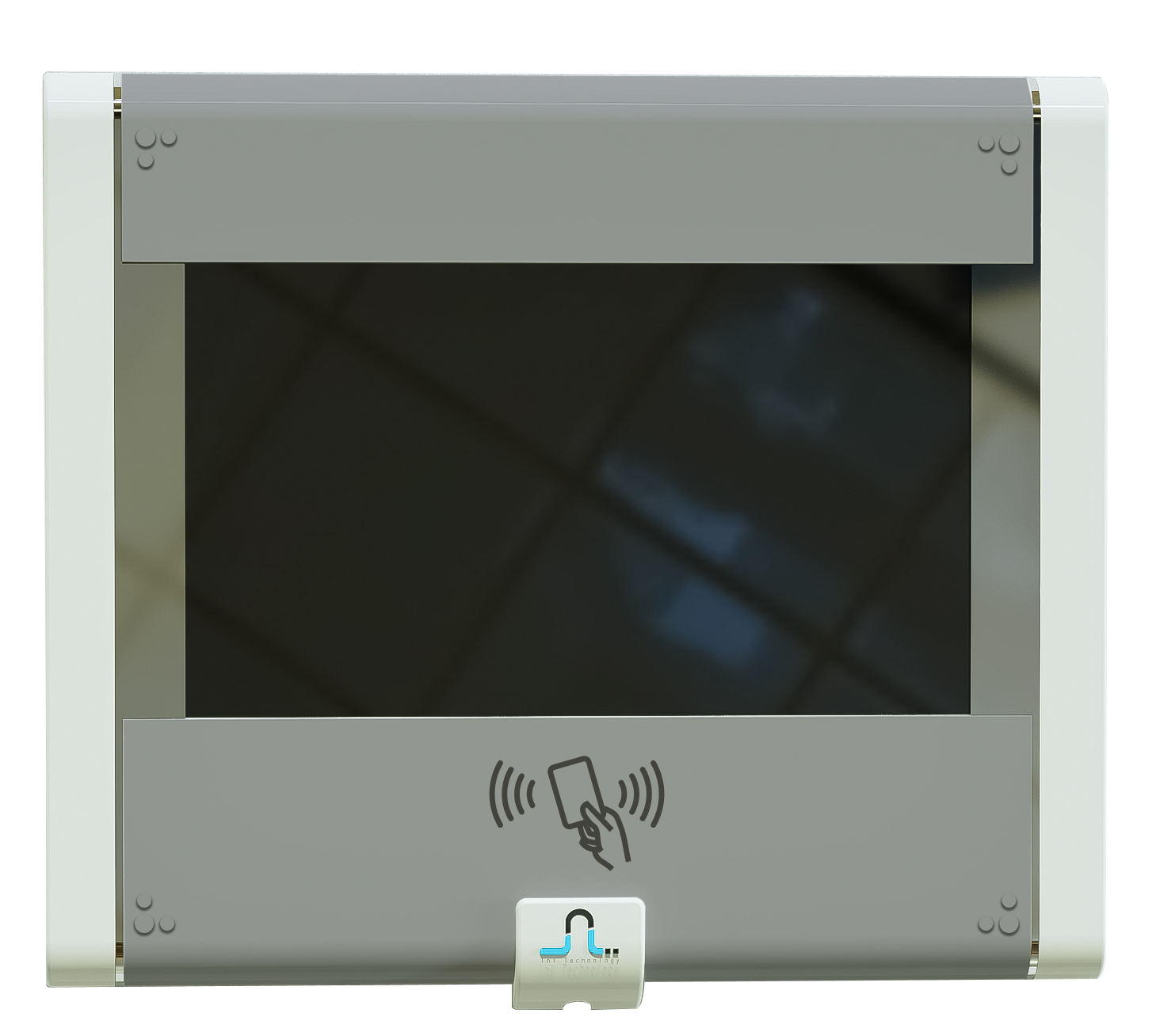
The 7" touchscreen Room Control Panel centralizes call handling, authorized card validation, consultation requests, emergency code activation, and call completion. The overdoor RGB warning lamp mirrors the active room status instantly, while the system can buffer recent events during offline periods and synchronize them back to the server when connectivity returns.

With the web-based reporting layer, hospitals can monitor call start/end times, responding staff, intervention durations, event notes, and performance data from a single dashboard. Optional RFID integration allows room panels to double as location scanners, reducing additional hardware and cabling costs.


System Overview

One coordinated backbone starts the call, makes it visible, and records the intervention

This structure brings the patient room, wet area, corridor, and nurse desk together in one clear experience. Hover to explore the flow and click to open the realistic product views.

Bedside call set
Patient room Bedside call and handset flow The patient starts the request from the bedside unit or handset, and the event moves instantly to the room panel and nurse desk.
Components

A more open component narrative that keeps image context and text together

Instead of boxing every device into the same container, this layout explains how each unit works inside the service flow while preserving the natural character of the visuals.

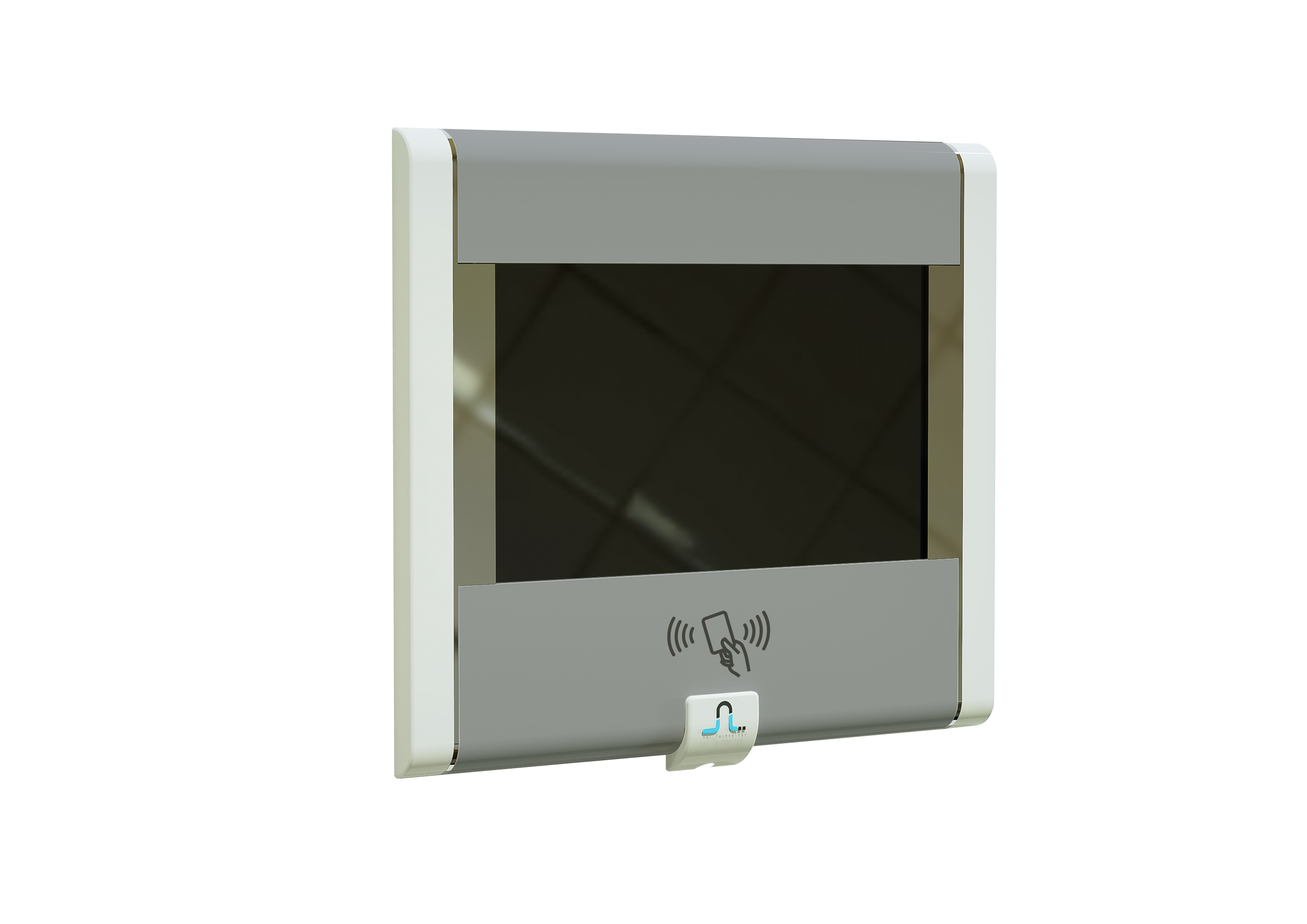
Screened room control panel
Core panel

7-inch Room Control Panel

This is the first layer that receives the event. Authorized card validation, consultation, emergency code handling, and room-side controls are brought together on one screen to reduce hardware clutter at the bedside.

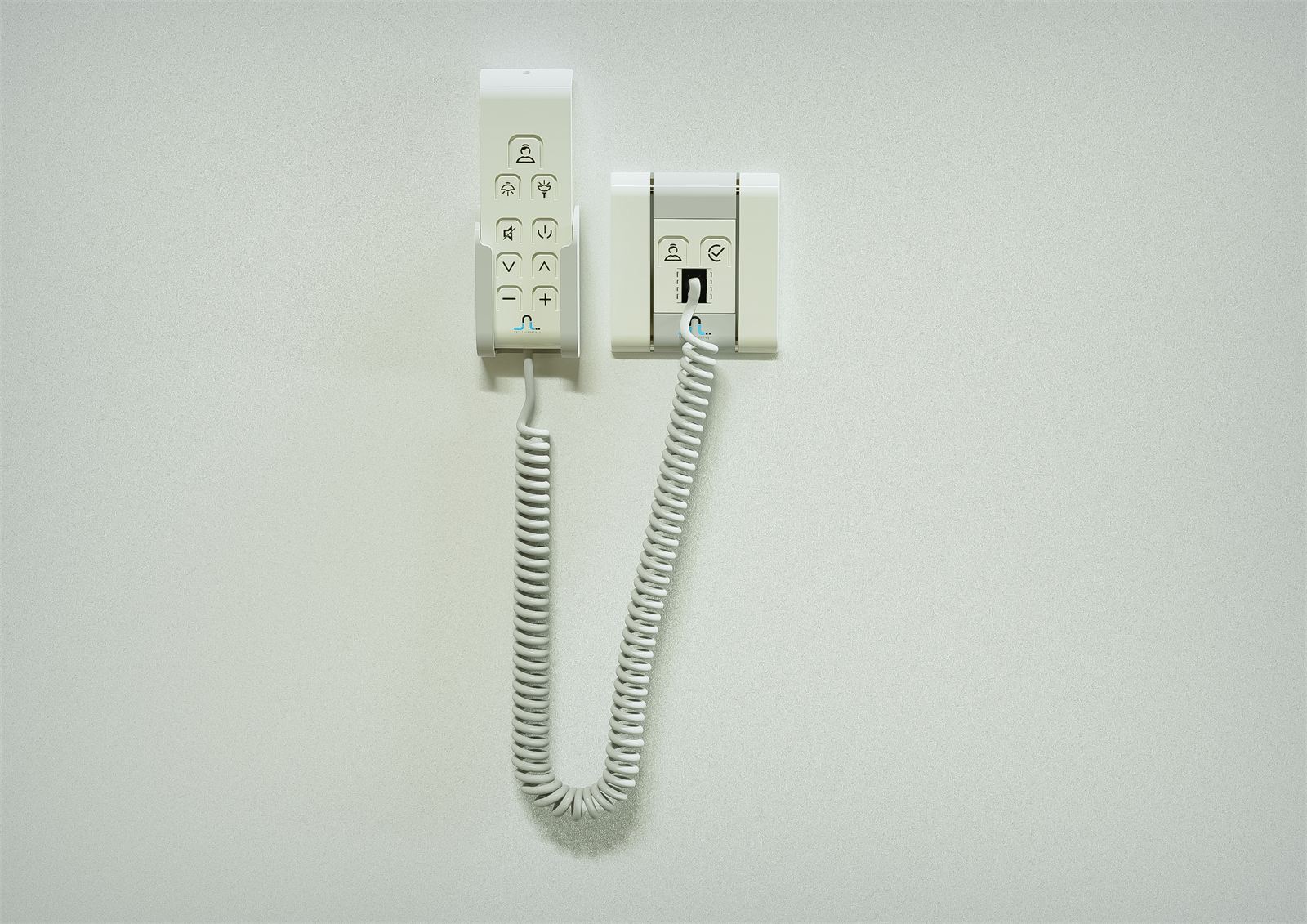
Bedside call unit and handset
Patient side

Bedside unit and handset

The patient-facing touchpoint is designed to feel immediate and clear. Help calls, cancellation, and selected room-side functions are gathered into one readable bedside experience.

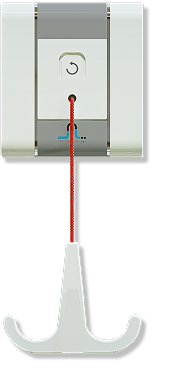
Bathroom WC call unit
Wet area

Bathroom / WC call unit

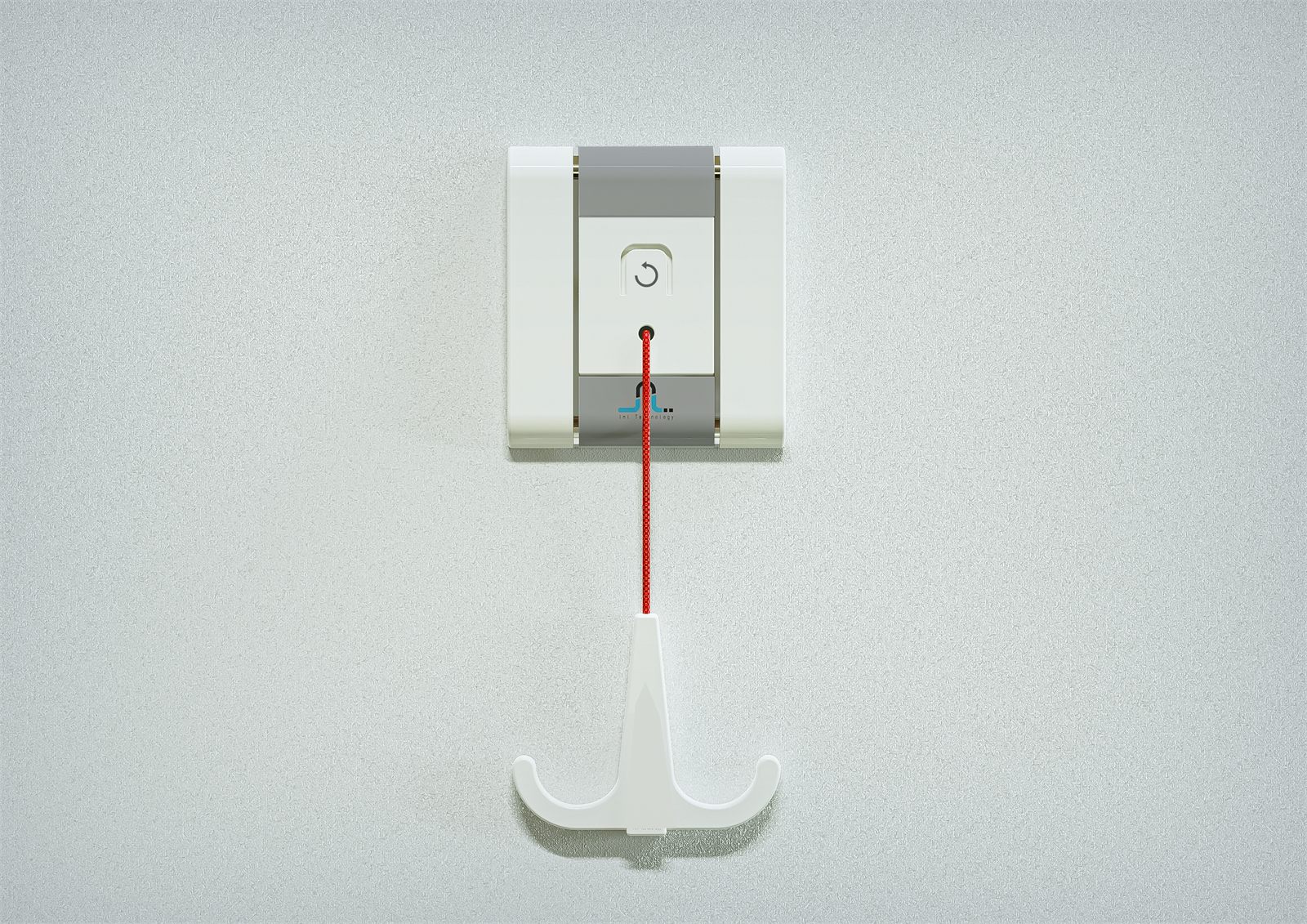
Designed for risk-prone wet areas, the pull-cord unit creates a fast and visible assistance request without compromising simplicity or service safety.

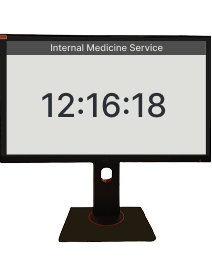
Active nurse call display
Nurse desk

Central nurse call display

The desk display turns service intensity into one readable surface. Room, bed, and call type are prioritized together so high-volume floors can move faster with more confidence.

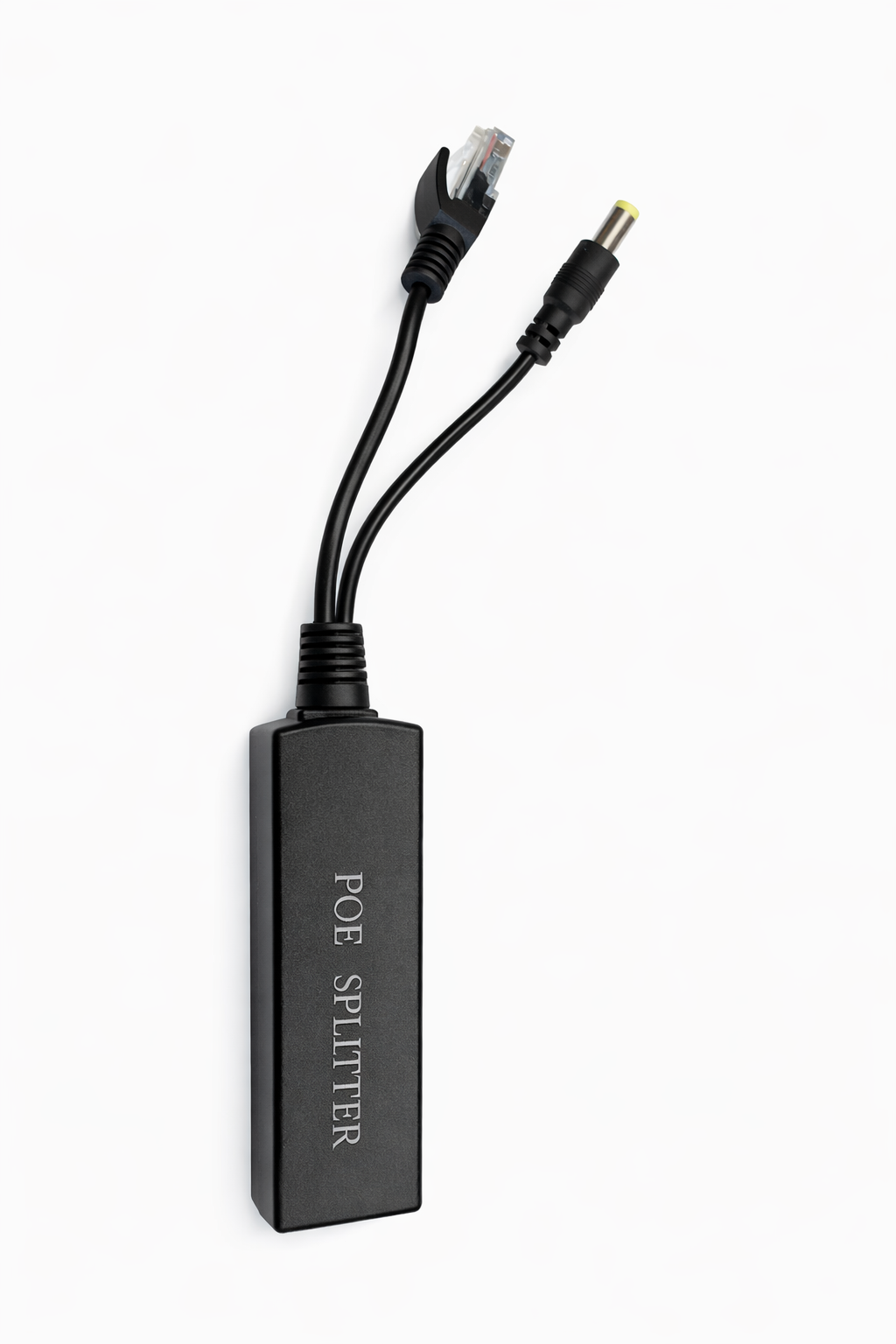
PoE splitter and field connectivity
Infrastructure

PoE, field links, and scalable deployment

Power and connectivity options align with existing hospital infrastructure, making the installation not only clean in appearance but also practical in real field conditions.

Call Journey

A traceable service flow from request to intervention

The product story should read as one event from start to finish. This section keeps that logic clear without overwhelming the visitor.

1

The call starts

The patient requests assistance from the bedside unit or the bathroom/WC device.

2

Corridor and desk visibility open up

The overdoor lamp and nurse panel activate together so the team can move toward the right room immediately.

3

The intervention is tied to staff identity

Staff present a card at the panel, claim the event, and bring operational ownership into the flow.

4

The event closes into reports

Response time, closure time, and event notes become quality and performance data for the service team.

Product Images

Renders, screens, and installed examples presented in one calmer slider

Rather than forcing different image types into one rigid box logic, the slider now presents the product family in a more balanced and readable rhythm.

Angled room control panel
Room control panel Contactless card validation, touch UI, and room-side call control meet on one clean surface.
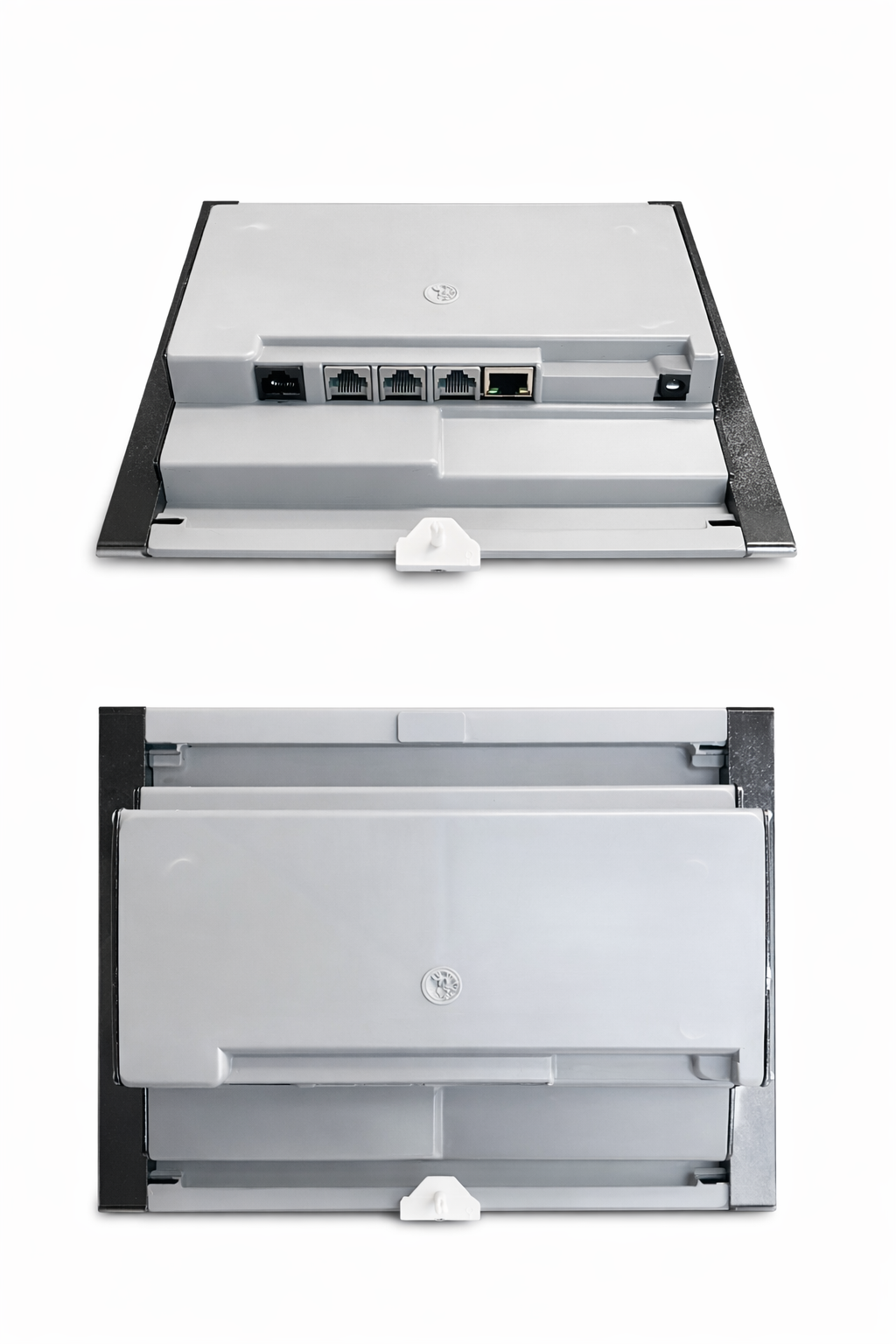
Rear panel view
Rear connectivity view Ethernet, serial, and power connections keep the infrastructure side of the system clean and expandable.
Rendered bedside set
Patient-side set The bedside module and handset build a calm and readable patient experience.
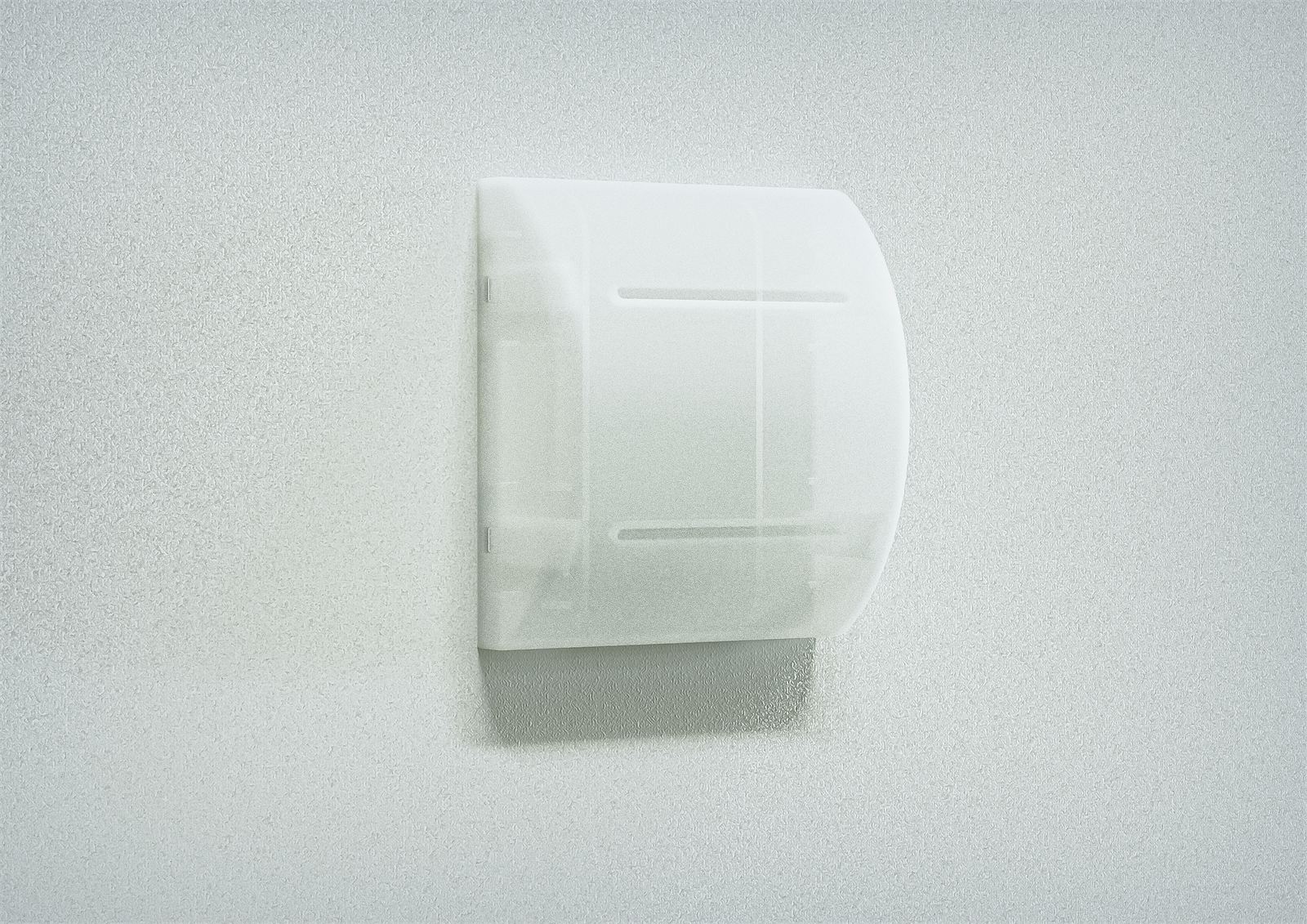
Rendered overdoor warning lamp
Corridor alerting A dedicated warning layer that makes room status visible instantly across the service area.
Nurse desk scenario
Desk scenario A more realistic composition showing how the central display fits into everyday nurse workflows.
Installed field example
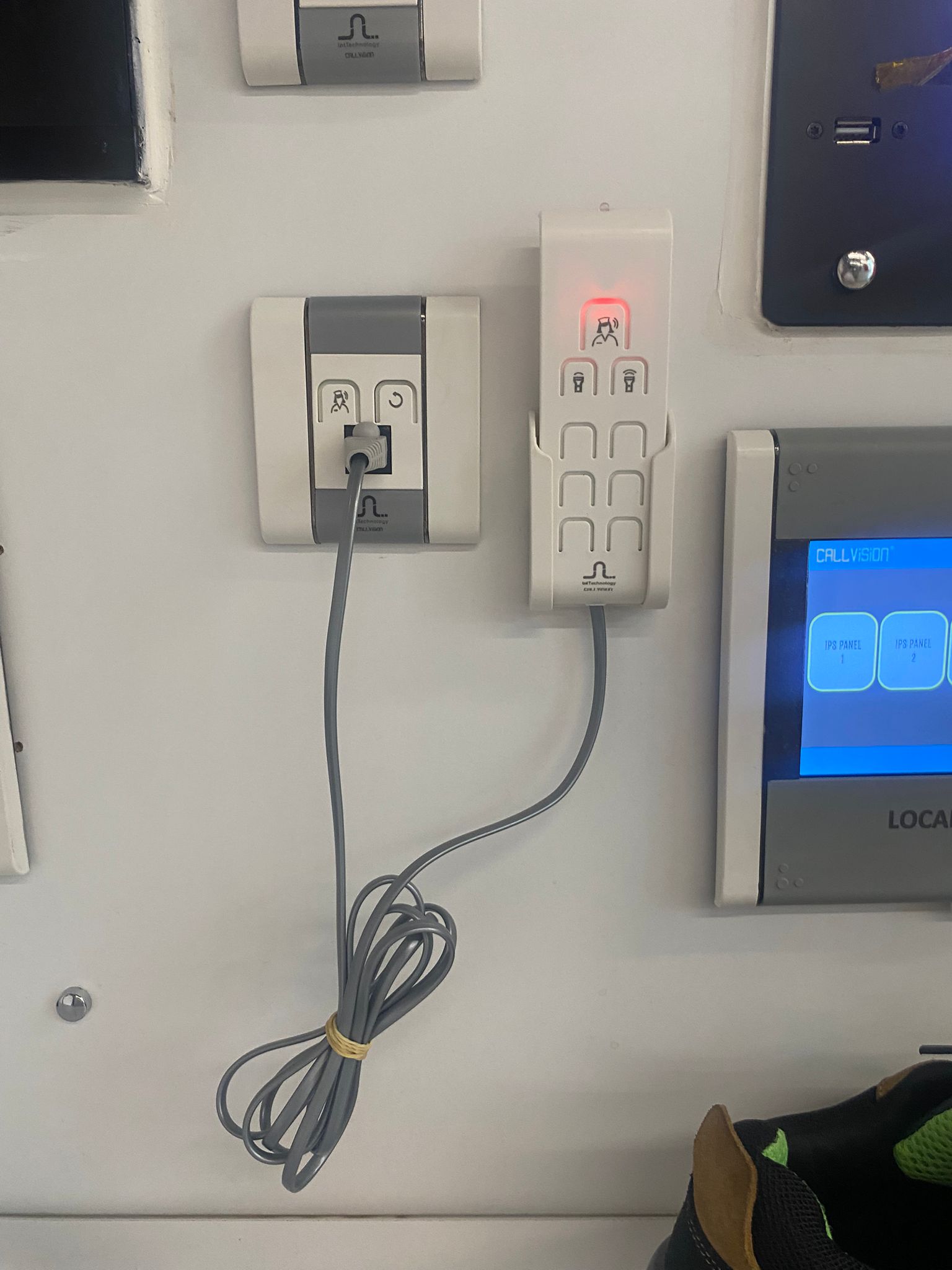
Installed field example A real setup showing how the main units sit together on site.
Reporting

Calls become measurable service quality data

This layer should feel calmer as well. Instead of visual noise, it explains the value of reporting, records, and integrations through cleaner content blocks.

Priority-based multi-call handling

Organizes simultaneous calls into a readable order so high-volume wards can act faster.

Event logging and auditability

Intervention forms, staff actions, and timestamps turn into structured quality outputs.

Staff performance visibility

Response and intervention durations become operational insight for service improvement.

Layered integrations

DECT, RFID, HIS, and related hospital systems work together inside one open architecture.

Video and PDF

The demo video and the updated PDF stay accessible from the same page

The page keeps the video and product document together so the visual story and the catalog remain part of one cohesive detail experience.

Product demo

Review the installation logic, call journey, and panel interaction in a more realistic usage context.

Open the EN product PDF
Get a Quote