Continuous location signaling
The smart badge keeps sending RF signals to the location scanners so the system can display live staff positions across wards, corridors and critical zones.


Location tracking and emergency call
Live location with a smart badge plus Blue/White/Pink emergency code calls. Historical location reports, rules, notifications and chase guidance.
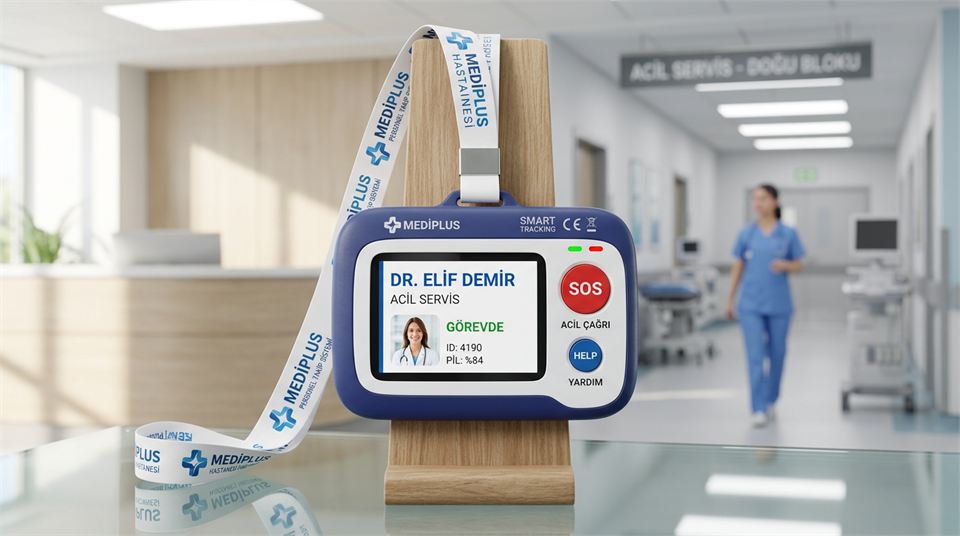
continuous location signaling
Indoor staff location tracking
Historical location reports
Rule and notification definitions
Blue / White / Pink code
Functional buttons for task workflows
Chase direction guidance
Battery and call LED alerts with C4S integration
Live location with a smart badge plus Blue/White/Pink emergency code calls. Historical location reports, rules, notifications and chase guidance.
The CALLVISION Staff Tracking System enables you to monitor the live location of personnel inside the building while also making it easy to trigger emergency calls. Hospital management can evaluate staff performance using location data. The system is built on wireless communication technology.
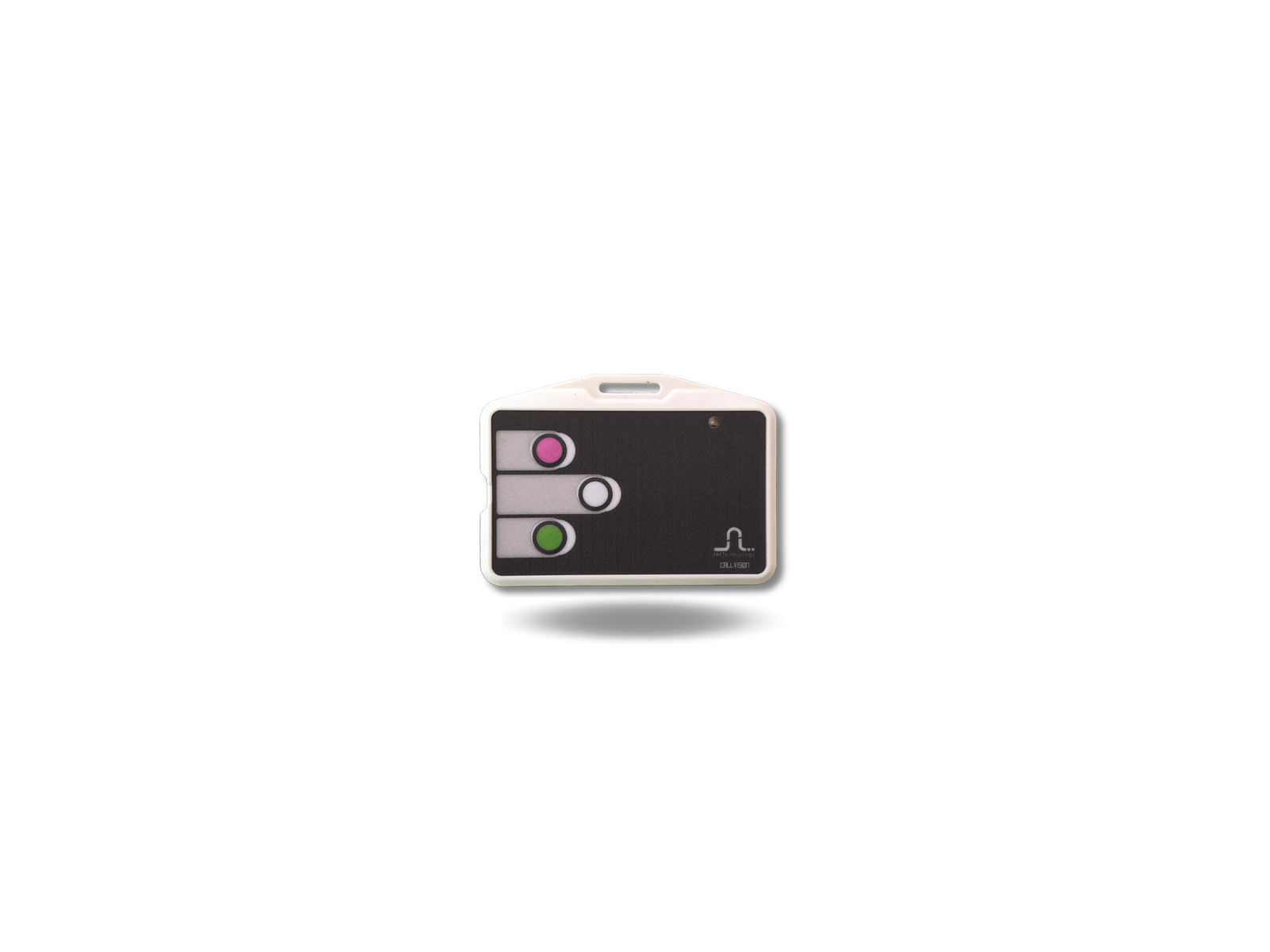
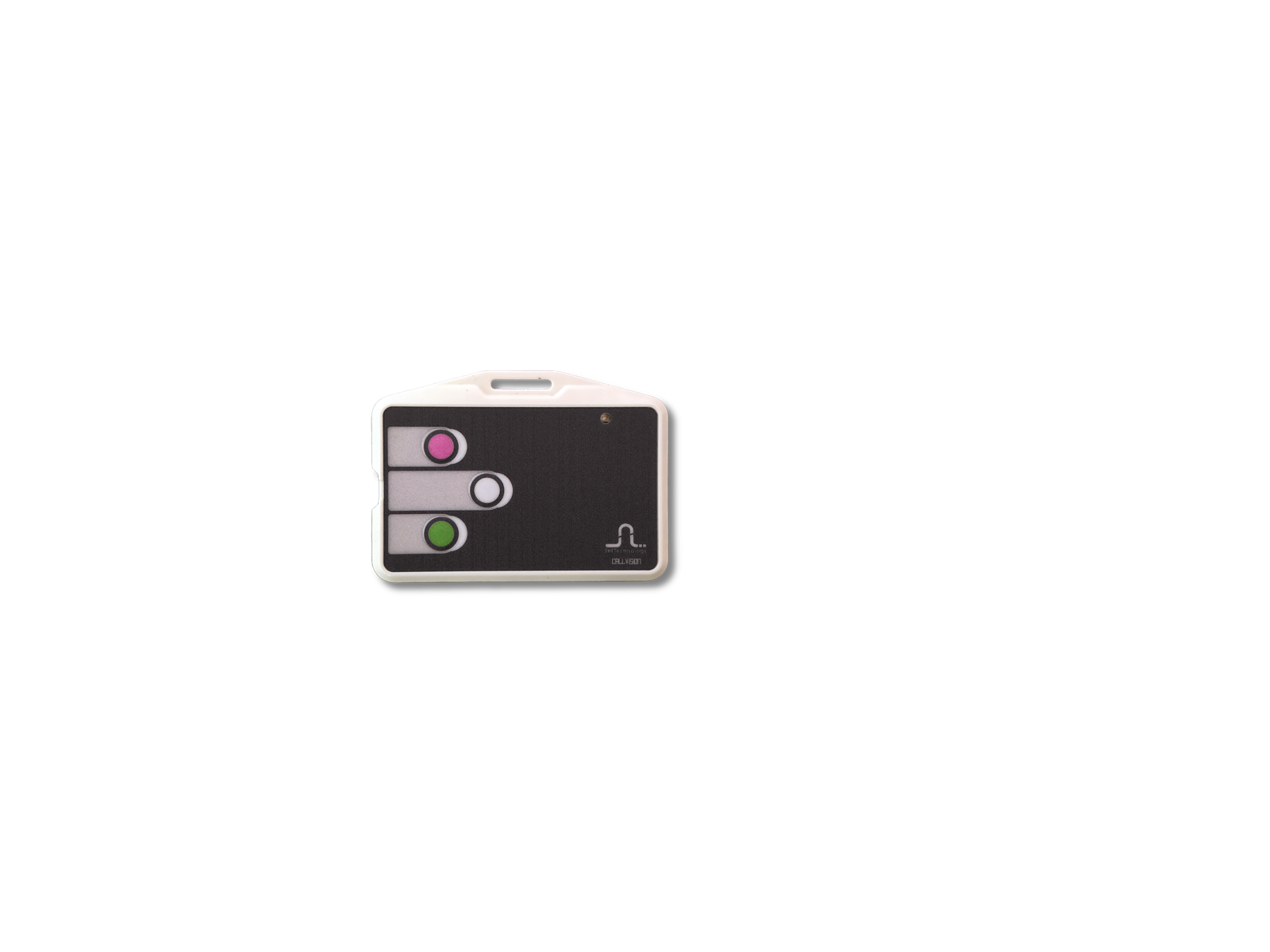
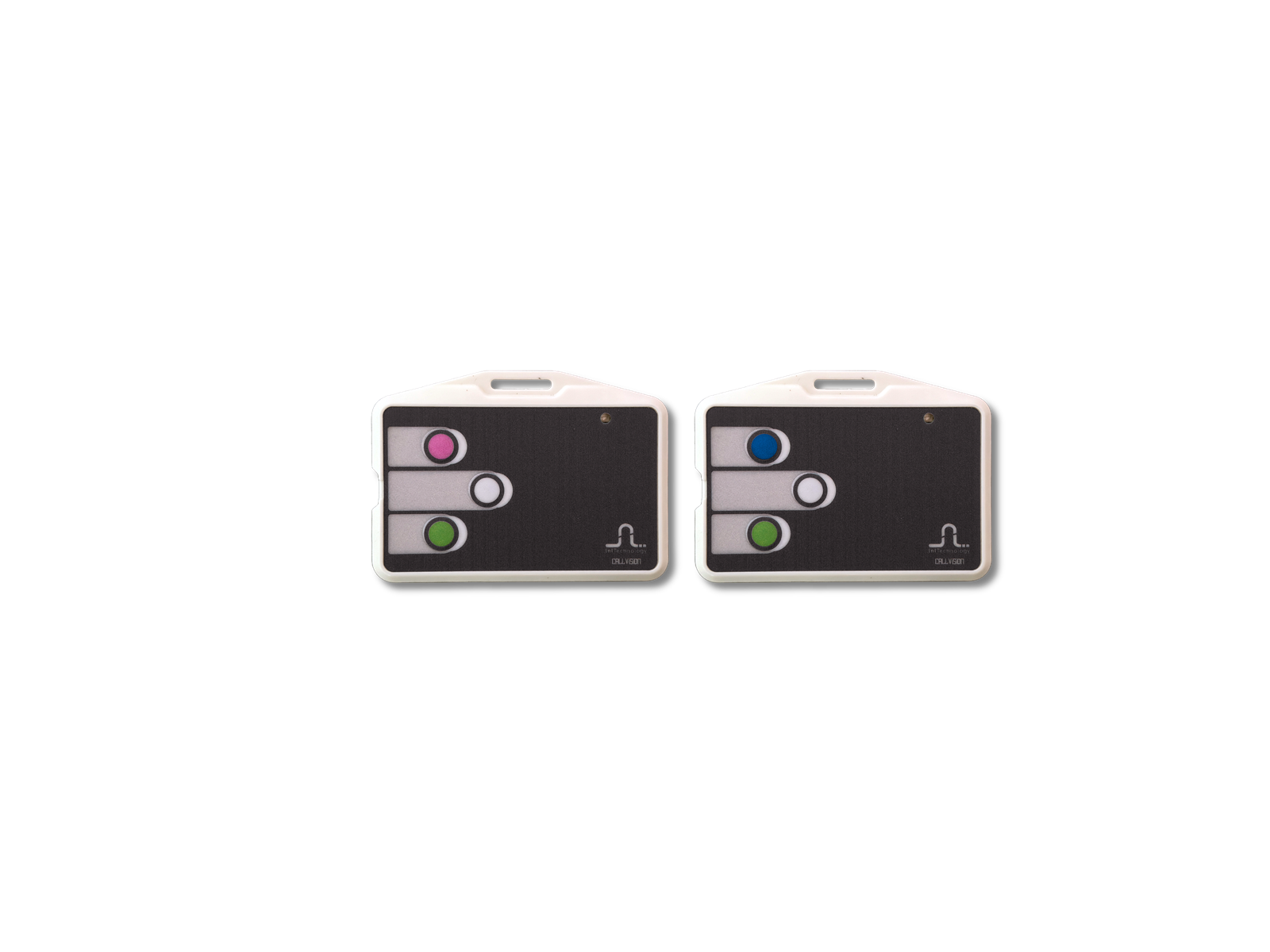
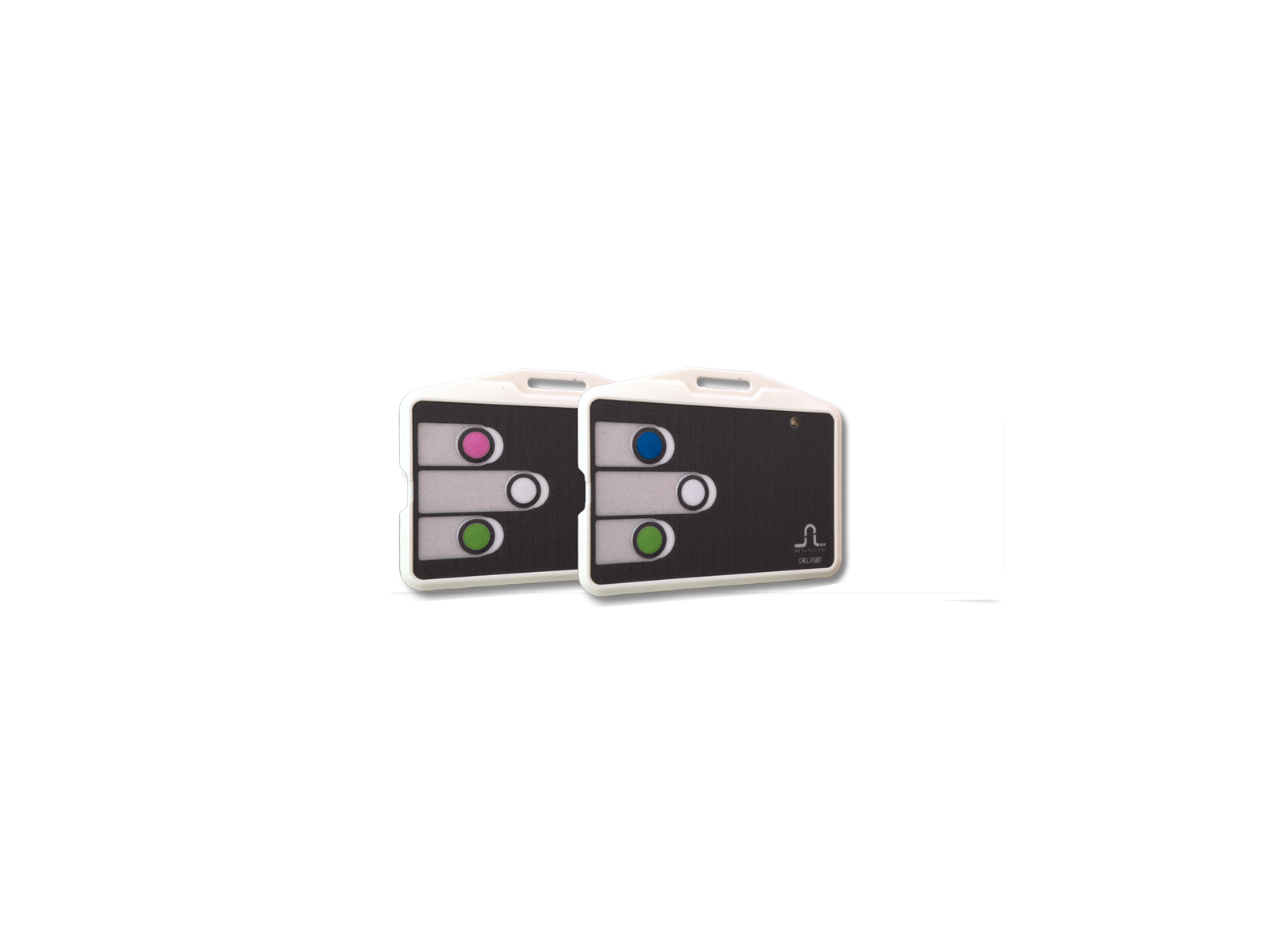
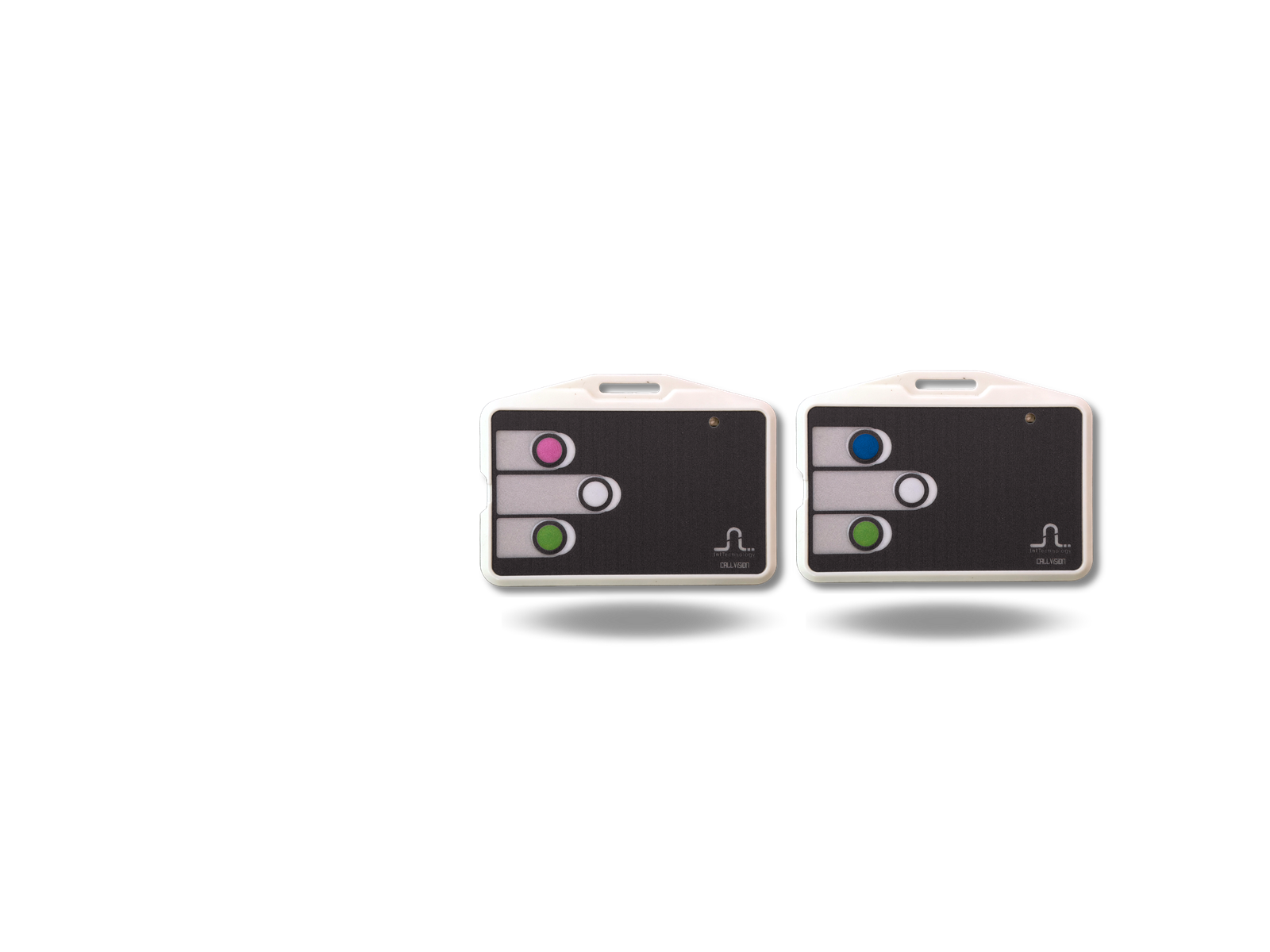
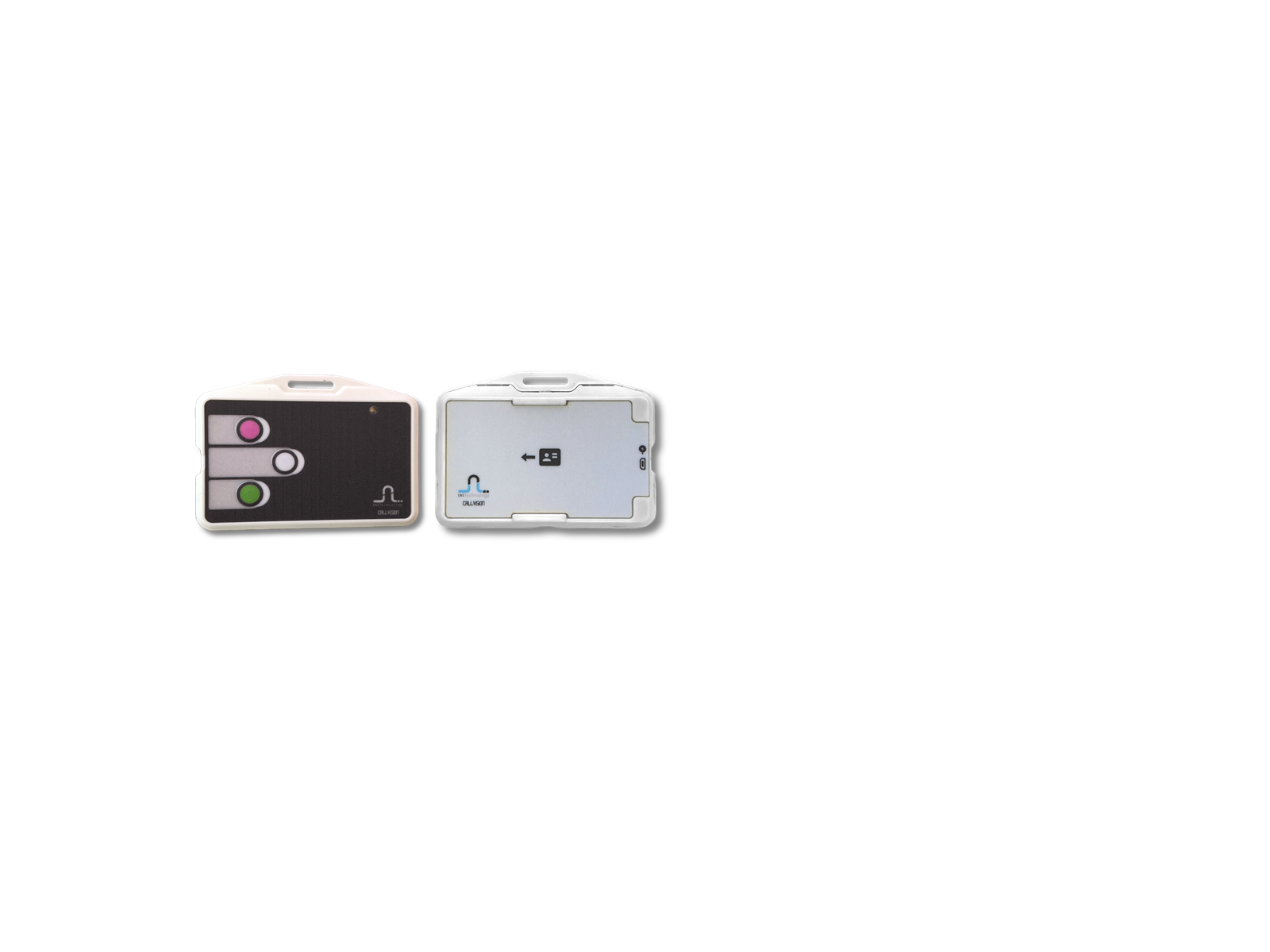
The Smart Badge continuously sends location signals to RF Location Scanner devices, allowing live position monitoring and historical location reporting. Functional buttons on the badge let staff initiate Blue Code (urgent medical intervention), White Code (violence against personnel) and Pink Code (infant/child abduction) calls. When a call is triggered, the relevant units receive both the alarm and the location information instantly.
Rules and notifications can be defined in the system. In a White Code chase scenario, the system can guide security units in the direction of the pursuit. The device runs on battery power, works wirelessly and is charged via micro USB. LED indicators provide warnings for low battery or when a call is started. Reporting is integrated with C4S (Command, Control, Communication and Code System) software.
The CALLVISION Staff Tracking System combines smart badges, RF location infrastructure and the C4S software layer in a single operational model. Staff can be tracked live inside the building while Blue Code, White Code and Pink Code calls are triggered from the same badge.
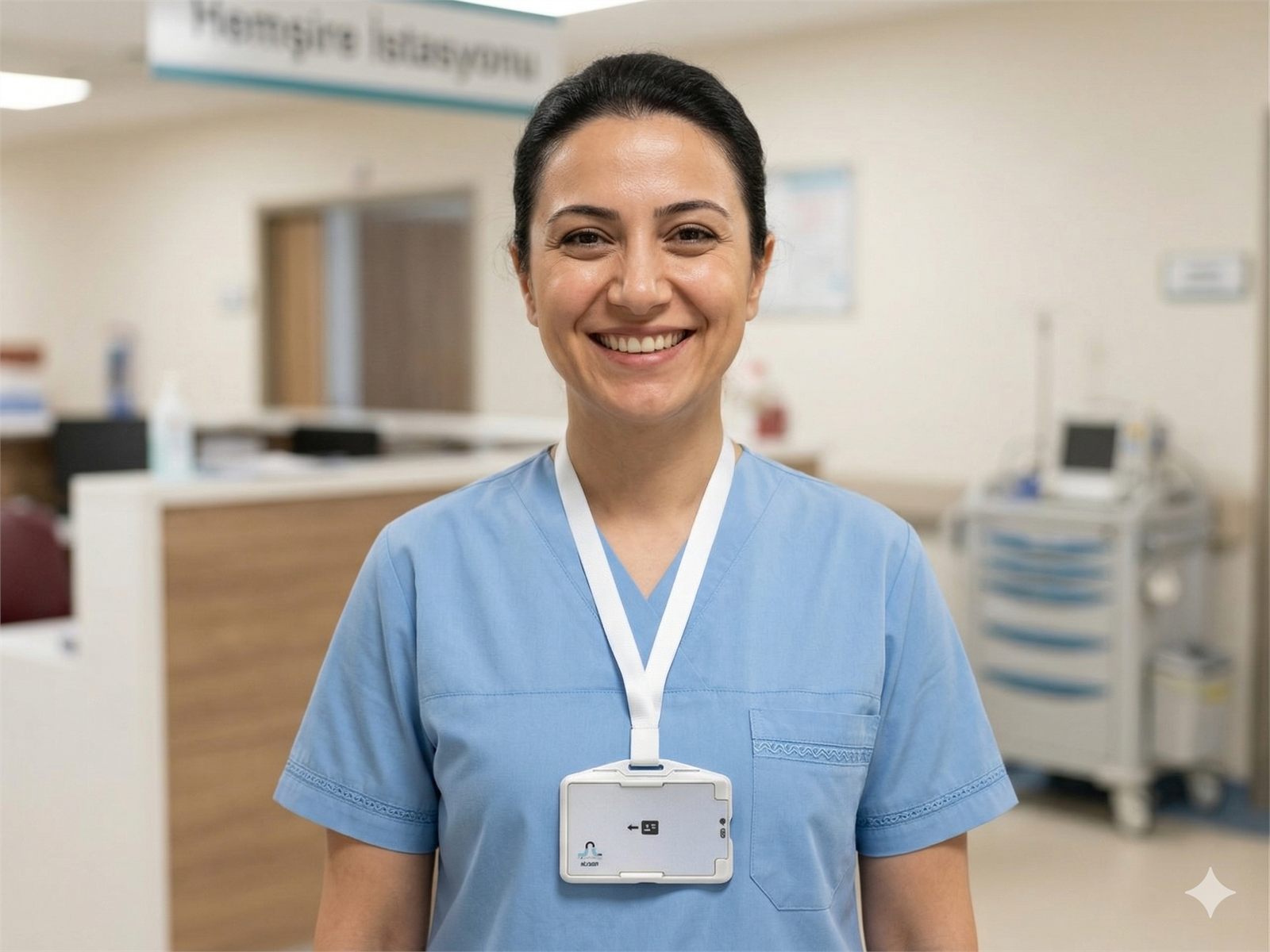
The smart badge keeps sending RF signals to the location scanners so the system can display live staff positions across wards, corridors and critical zones.
Blue Code, White Code and Pink Code scenarios can be triggered directly from the badge and the alert is delivered together with the current location information.
Role-based and zone-based rules can be defined. In White Code chase scenarios, security teams can follow direction guidance through the system.
The badge runs wirelessly on battery power, charges via micro USB and provides LED feedback for low battery and active emergency call status.
The badge is assigned to the staff member, live signals are collected by the RF infrastructure, emergency codes are turned into alerts instantly and the entire movement history is transferred into reporting.
The smart badge is assigned to the relevant staff member and scenario-based rules are activated according to the role and operating zone.
RF location scanners receive the badge signal and store movement history in the central software by service area, floor and zone.
When needed, staff trigger the relevant code from the badge buttons and the system forwards the live location together with the alarm information.
Historical location logs, event flows, notifications and chase guidance records can be reviewed through the C4S reporting screens.
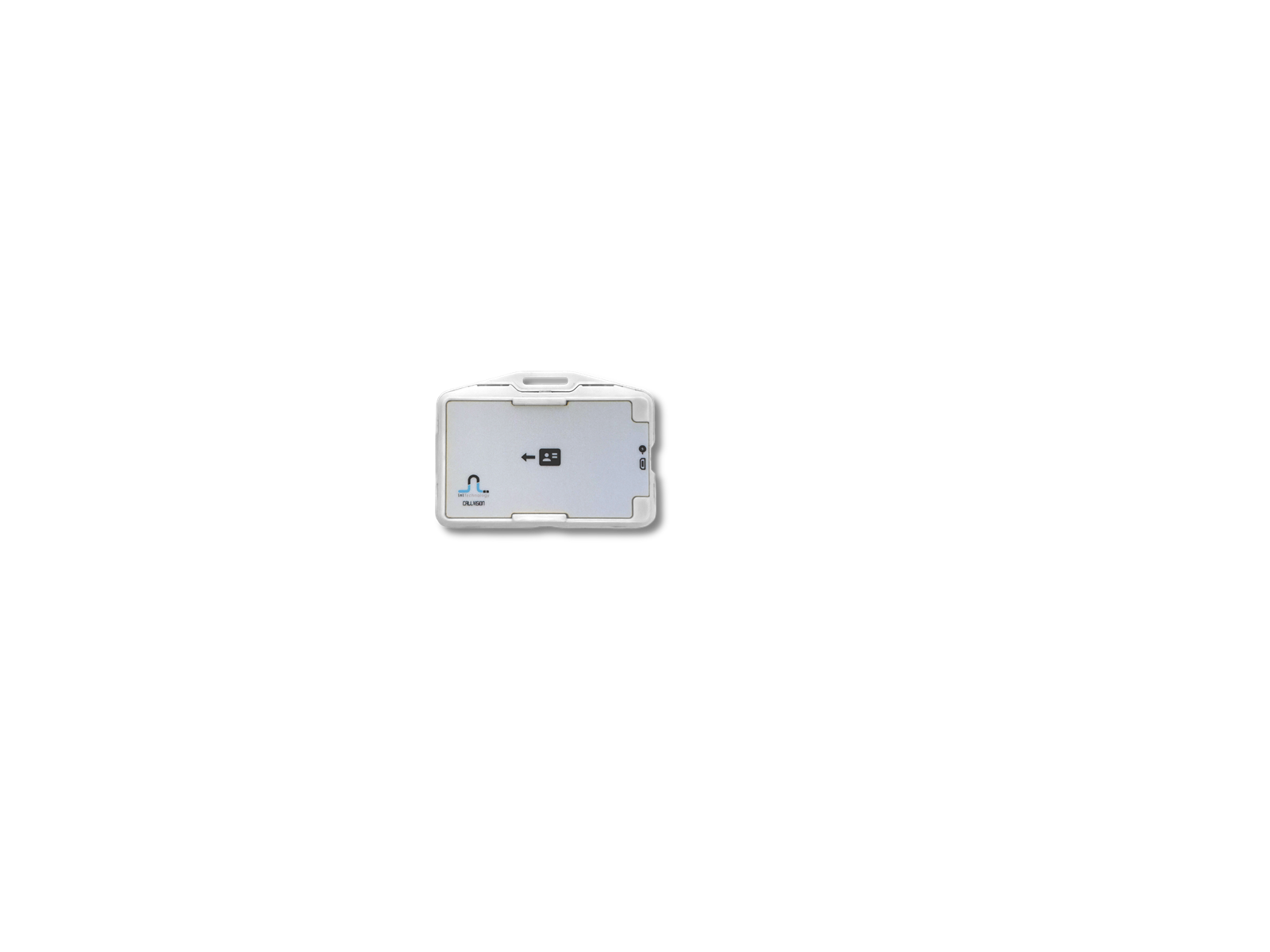
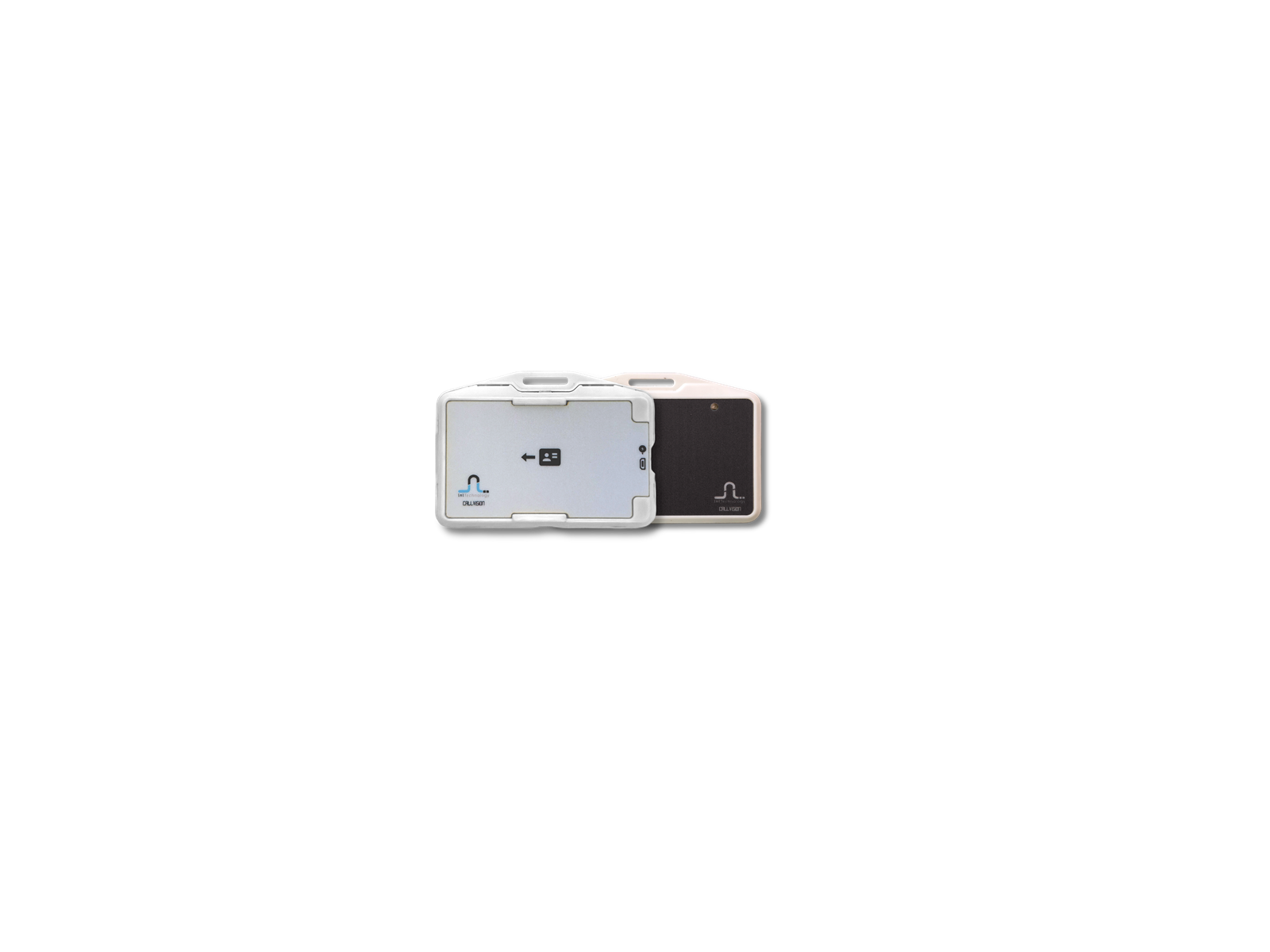
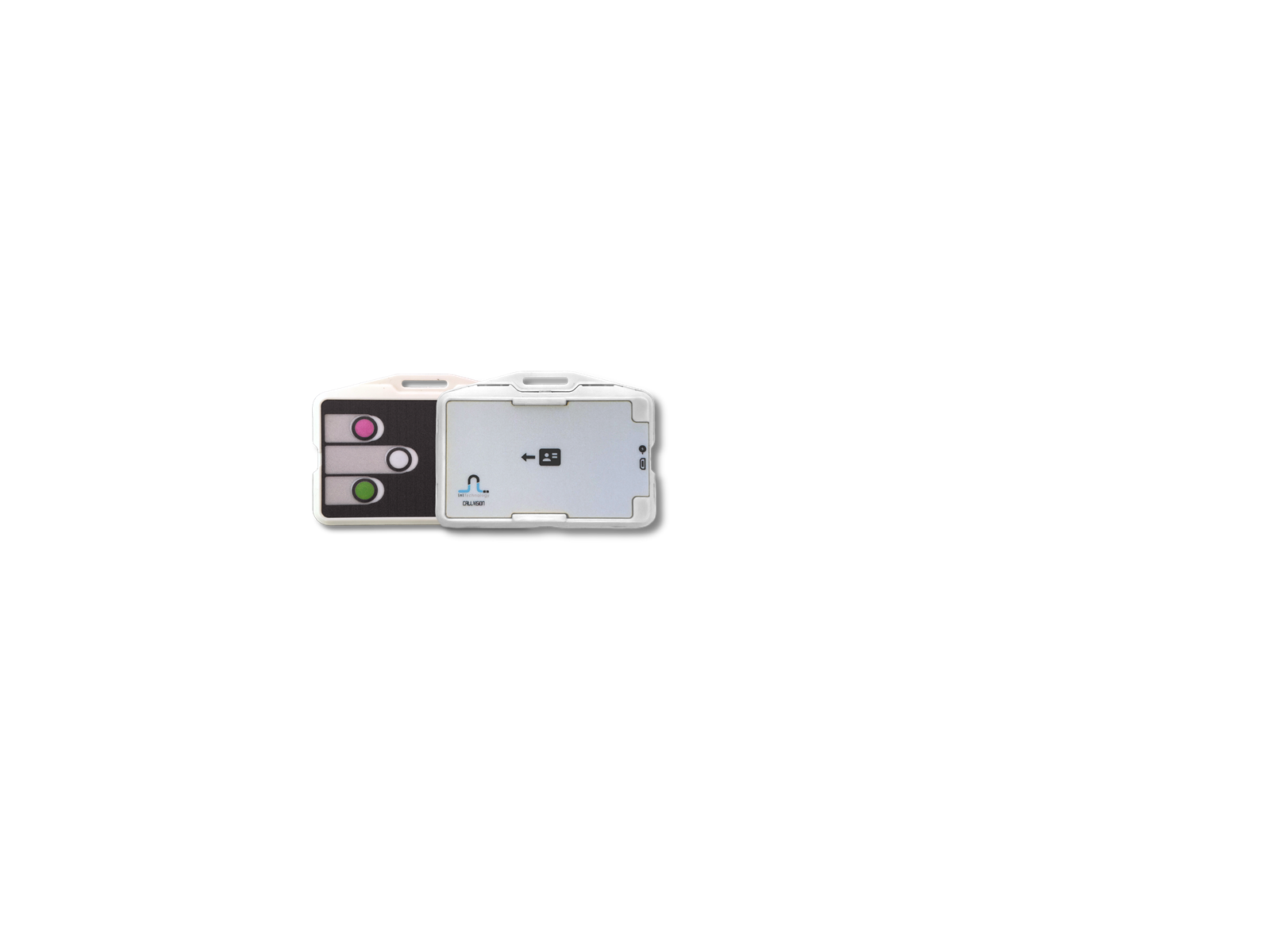
All supplied visuals are grouped into a dedicated gallery for this page so front designs, rear housing details and real-life usage context can be reviewed together.
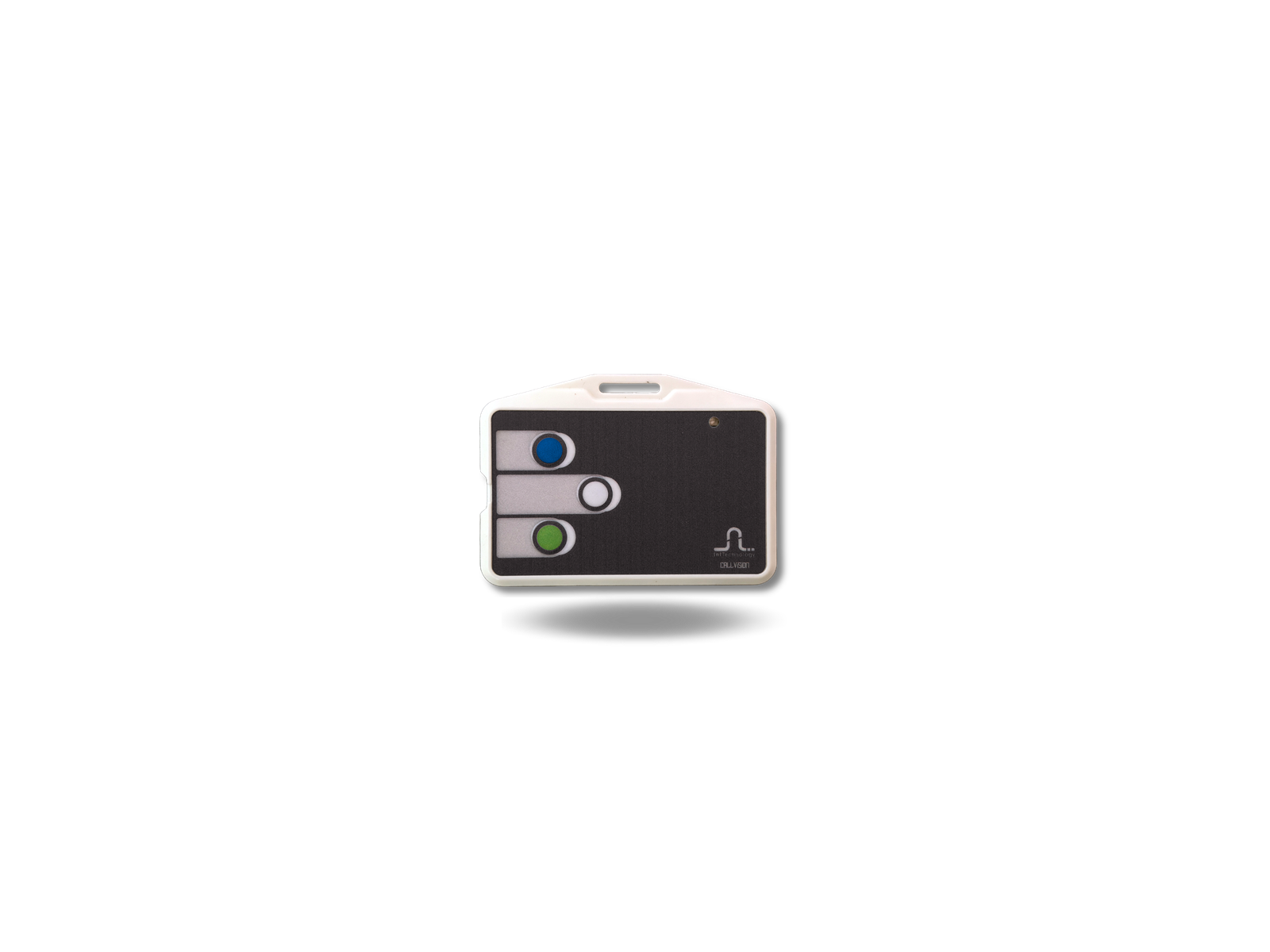
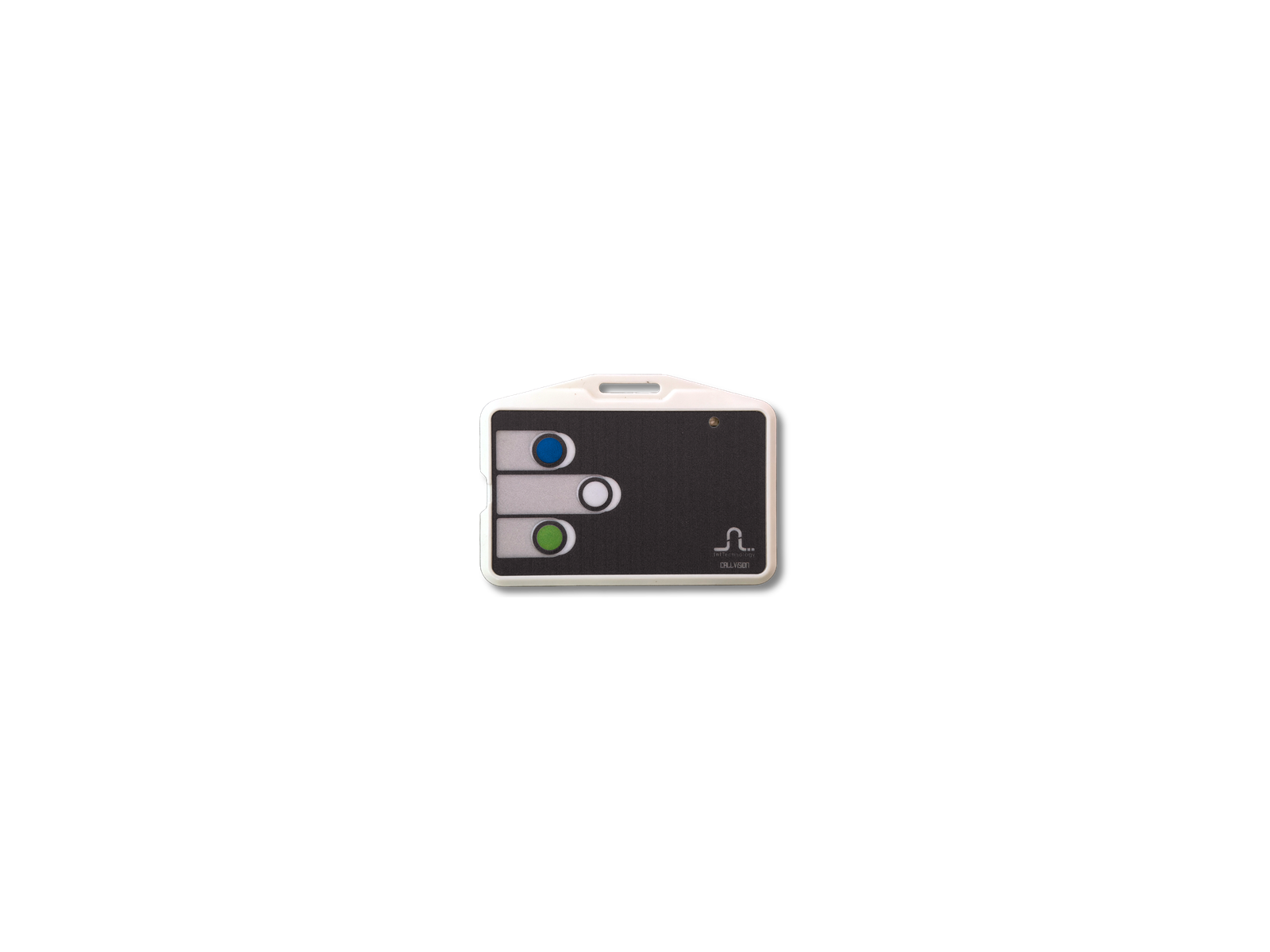
The location of each staff member, service traffic and critical zone transitions can be monitored from the central software layer.
Blue, White and Pink Code calls are launched from the badge in seconds so teams can react without losing time.
Movement history, event logs, response flows and direction guidance records remain available for retrospective analysis.
Zone, role and scenario-based rules ensure that only the relevant teams receive the appropriate automated alerts.